
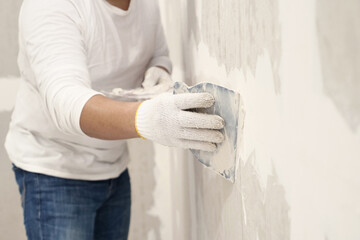
Drywall services play a foundational role in modern construction and interior finishing, providing the clean, smooth surfaces that define most residential and commercial spaces. Whether building a new structure, renovating an existing property, or repairing damage, drywall installation and repair are essential for creating walls and ceilings that are both functional and visually appealing. Because drywall forms the base of interior design, its quality directly affects painting, insulation, soundproofing, and overall structural appearance.
In today’s construction and remodeling industry, drywall services are in constant demand due to their versatility, cost-effectiveness, and efficiency. Professional drywall work ensures that surfaces are properly installed, finished, and maintained, reducing the risk of cracks, uneven textures, and long-term structural issues. For homeowners, property managers, and contractors alike, understanding drywall services is key to achieving durable and polished interior spaces.
Understanding What Drywall Services Include
Drywall services encompass a wide range of tasks related to the installation, repair, and finishing of gypsum board panels used to construct interior walls and ceilings. These services are essential in both new construction and renovation projects, as drywall provides the structural surface upon which interior design elements are built.
At its core, drywall installation involves measuring, cutting, and securing panels to wall studs or ceiling joists. Once installed, seams are taped, joints are sealed with compound, and surfaces are sanded to create a smooth finish ready for painting or decoration. This process requires precision and skill to ensure that walls are level, seamless, and visually consistent.
Drywall services also include repair work, which addresses issues such as holes, water damage, cracks, or general wear and tear. Over time, walls can be affected by moisture, shifting structures, or accidental impact, all of which require professional attention to restore the surface properly.
Common Types of Drywall Services
Drywall services are not limited to installation alone. They cover multiple specialized tasks designed to meet different construction and repair needs. Understanding these services helps property owners choose the right solution for their project.
Some of the most common drywall services include:
- Drywall installation
This involves measuring, cutting, and securing drywall sheets to create interior walls and ceilings. Proper installation ensures structural stability and a smooth base for finishing work. - Drywall repair
Repair services address cracks, dents, holes, and water damage. Technicians patch affected areas and blend repairs seamlessly with the surrounding surface. - Drywall finishing
Finishing includes taping joints, applying joint compound, sanding, and preparing surfaces for painting or wallpapering. This step is crucial for achieving a polished appearance. - Drywall texturing
Some interiors require decorative finishes such as knockdown, orange peel, or smooth textures. These techniques add visual depth and style to walls and ceilings. - Ceiling drywall services
Ceiling installation and repair require additional expertise due to overhead work and structural considerations, ensuring safety and proper alignment.
Each of these services contributes to the overall quality and appearance of interior spaces, making drywall work a critical part of construction and renovation projects.
The Importance of Professional Drywall Installation
Proper drywall installation is essential for creating durable and visually appealing interiors. Poor installation can lead to uneven surfaces, visible seams, cracks, and long-term structural issues. Professional drywall services ensure that panels are installed correctly, aligned properly, and securely fastened to the underlying structure.
One of the most important aspects of drywall installation is precision. Even minor misalignments can become noticeable once walls are painted or illuminated. Professional installers use specialized tools and techniques to ensure accuracy and consistency throughout the entire surface.
Another key factor is material handling. Drywall sheets are heavy and require careful placement to avoid damage or safety risks during installation. Experienced technicians understand how to manage these materials efficiently while maintaining quality standards.
Proper installation also improves insulation and soundproofing. When drywall is installed correctly, it contributes to better temperature regulation and noise control within a building, enhancing overall comfort.
Common Drywall Problems That Require Repair
Over time, drywall can develop various types of damage due to environmental conditions, physical impact, or structural movement. Identifying these issues early helps prevent more extensive repairs later.
Some common drywall problems include:
- Cracks and fractures
These often occur due to settling foundations, temperature changes, or structural shifts within the building. - Holes and dents
Accidental impacts from furniture, doors, or daily activity can leave visible damage on drywall surfaces. - Water damage
Leaks or moisture exposure can weaken drywall, causing discoloration, swelling, or mold growth. - Nail pops
Fasteners may loosen over time, creating small bumps or visible protrusions on wall surfaces. - Seam separation
Poor installation or structural movement can cause joints between drywall sheets to become visible or separated.
Repairing these issues requires skillful patching, sanding, and refinishing to ensure that the surface blends seamlessly with the surrounding area.
The Drywall Repair and Finishing Process
Professional drywall repair follows a structured process designed to restore damaged surfaces while maintaining a consistent appearance. The process begins with assessing the extent of the damage and determining the appropriate repair method.
Once the issue is identified, technicians prepare the area by cleaning and removing loose material. Depending on the type of damage, they may apply patching compounds, replace sections of drywall, or reinforce weakened areas.
A typical drywall repair process includes:
- Damage assessment and surface preparation
- Application of patches or replacement sections
- Taping and sealing of joints
- Application of joint compound in multiple layers
- Sanding and smoothing for a uniform finish
After repairs are completed, the surface is prepared for painting or additional finishing work, ensuring that the repaired area blends seamlessly with the rest of the wall.
Benefits of Professional Drywall Services
Hiring professional drywall services offers numerous advantages compared to attempting DIY repairs or installations. One of the primary benefits is quality assurance. Skilled technicians have the experience and tools necessary to deliver smooth, even, and long-lasting results.
Time efficiency is another important advantage. Drywall installation and repair can be time-consuming, especially for individuals without experience. Professionals complete projects more quickly while maintaining high standards.
Additional benefits include:
- Improved structural integrity
- Enhanced aesthetic appearance
- Reduced risk of future damage
- Proper handling of materials and tools
- Consistent and smooth surface finishing
Professional services also help ensure compliance with construction standards, particularly in larger projects or commercial environments.
Challenges in Drywall Work
Despite its importance, drywall work can present several challenges. Achieving a perfectly smooth finish requires precision and experience, as even small imperfections can become visible after painting.
Environmental factors such as humidity can also affect drying times and material performance. In some cases, improper installation can lead to long-term issues such as cracking or warping.
Common challenges include:
- Achieving seamless joint finishing
- Managing drying time for compounds
- Working in tight or elevated spaces
- Preventing dust and debris during sanding
- Ensuring consistent texture application
Overcoming these challenges requires technical skill, attention to detail, and the use of proper tools and materials.
The Role of Drywall in Modern Construction
Drywall remains one of the most widely used building materials in modern construction due to its affordability, efficiency, and versatility. It provides a smooth surface for interior design while also contributing to insulation and fire resistance in many applications.
Its adaptability allows it to be used in residential homes, commercial buildings, and renovation projects of all sizes. As construction techniques continue to evolve, drywall services remain a core component of interior development, ensuring that spaces are both functional and visually appealing.
Conclusion: Why Drywall Services Are Essential
Drywall services are a critical part of creating durable, attractive, and functional interior spaces. From installation to repair and finishing, these services ensure that walls and ceilings meet both structural and aesthetic standards. Whether addressing minor damage or completing full-scale construction projects, professional drywall work provides the foundation for high-quality interior environments.
With proper installation and maintenance, drywall contributes to long-lasting performance, improved comfort, and enhanced visual appeal. As a result, drywall services remain an indispensable element of modern building and renovation practices, supporting both residential and commercial spaces with reliable and professional solutions.